THE ISLAND FAVORITES • DESTINATION GUIDE
Hawaii: Aloha, Adventure & Island Beauty


From golden beaches and lush rainforests to volcanic landscapes and unforgettable sunsets, discover the many sides of Hawaii.
Welcome to Hawaii
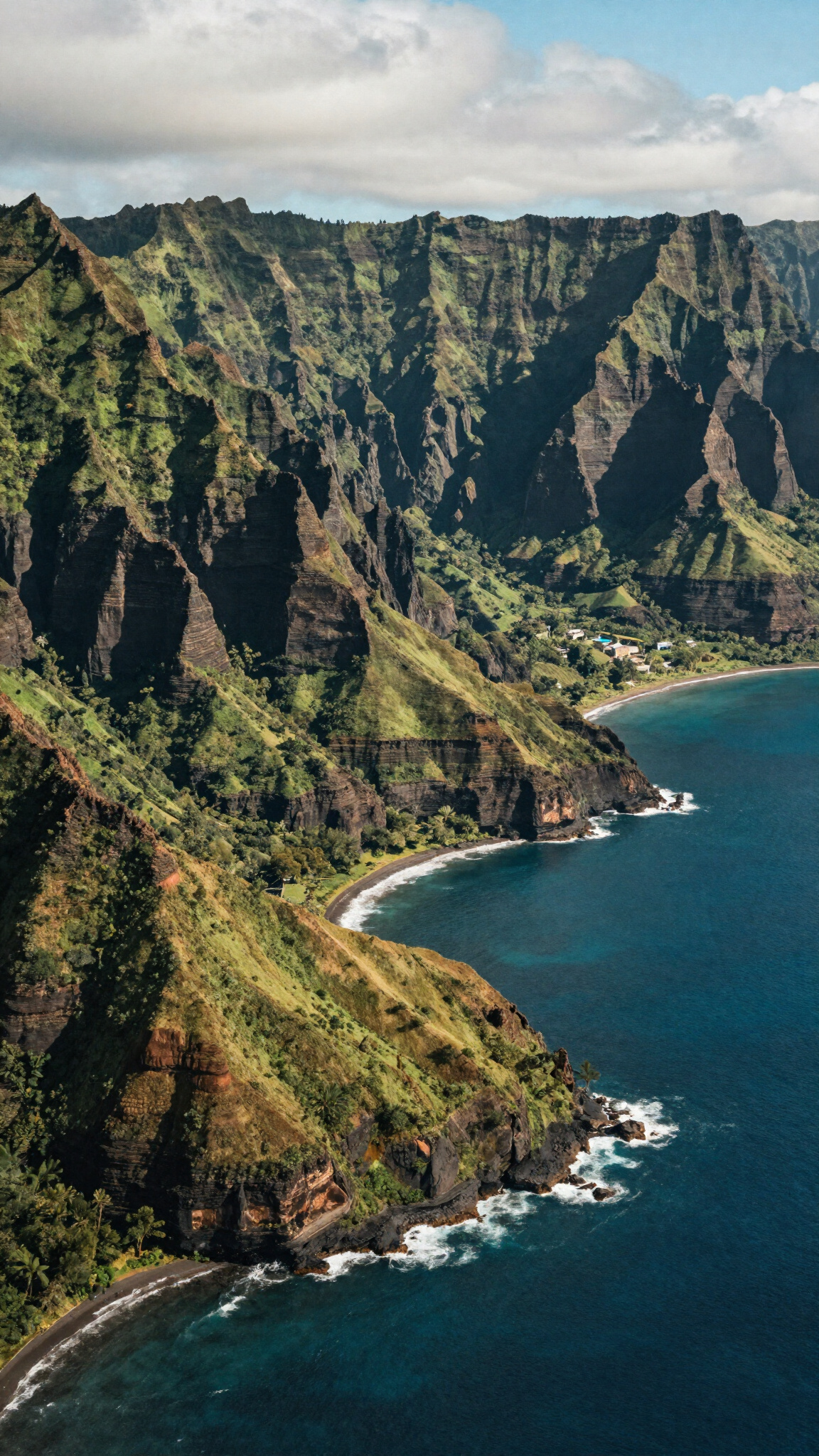
Hawaii is a destination where natural beauty, rich cultural traditions, and unforgettable experiences come together. Located in the central Pacific Ocean, this remarkable island chain offers everything from beautiful beaches and lush tropical valleys to dramatic volcanic landscapes, waterfalls, mountain peaks, and vibrant coastal communities.
But Hawaii is not one single island experience. Each island has its own personality, scenery, pace, and attractions. Some are known for lively beach towns and cultural landmarks, while others offer dramatic coastlines, peaceful retreats, outdoor adventures, and opportunities to experience nature on a grand scale.
Whether you're planning a romantic escape, a family vacation, a milestone celebration, or an adventure exploring more than one island, Hawaii offers many ways to create a meaningful getaway.
Welcome to the Islands of Aloha—where every island has a story to share.

Oahu — The Gathering Place
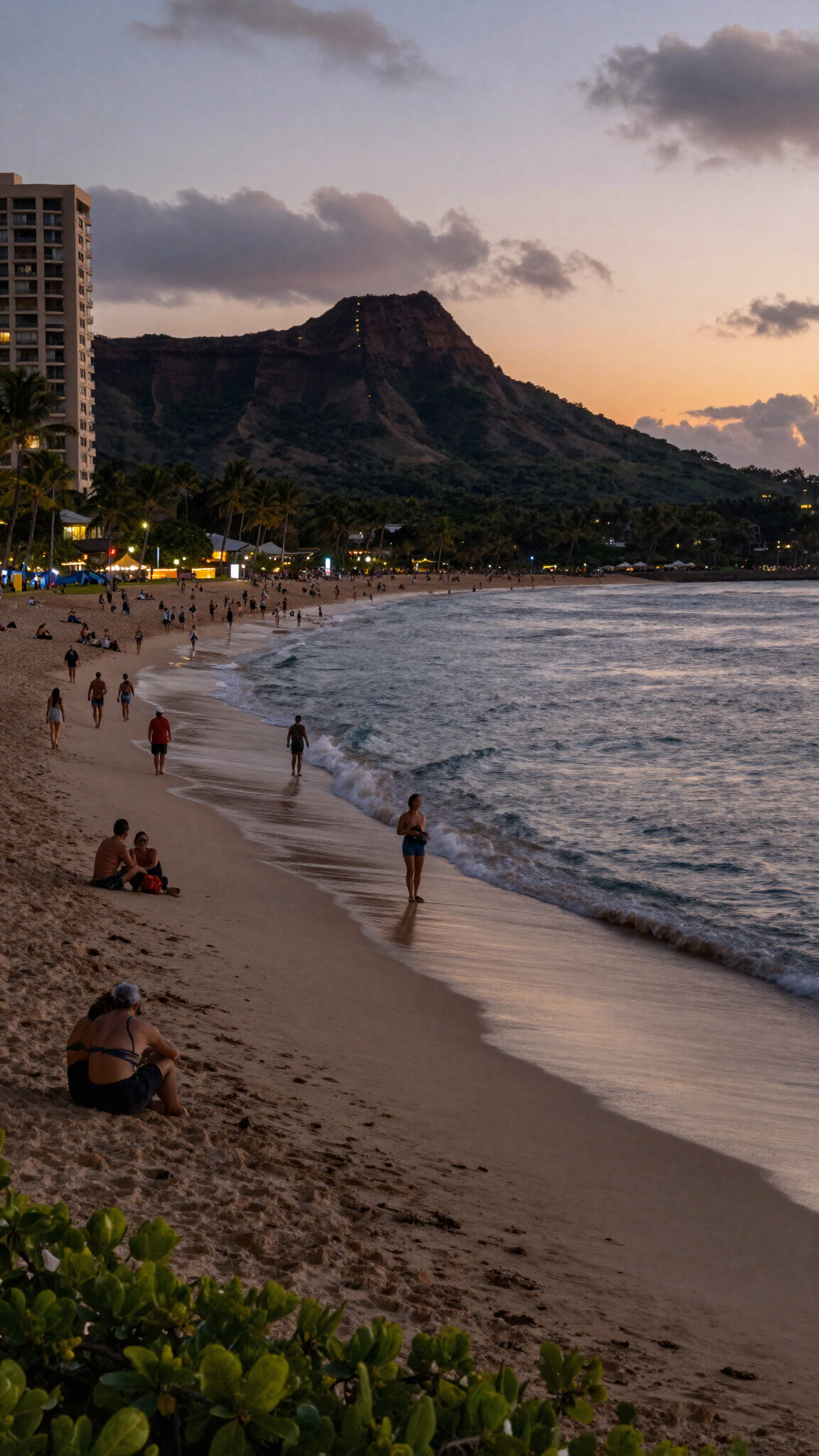
Oahu blends beautiful beaches, city life, history, shopping, dining, and outdoor adventure. Honolulu and Waikiki offer a lively visitor atmosphere, while the North Shore is known for surf culture and scenic coastal communities.
Explore: Waikiki Beach, Diamond Head, Pearl Harbor, Hanauma Bay, the North Shore, and the Polynesian Cultural Center.
Best for: First-time visitors, families, couples, history enthusiasts, and travelers who enjoy a mix of city and beach experiences.

Maui — The Valley Isle
Maui is known for beautiful beaches, scenic drives, mountain landscapes, charming towns, and luxurious resort areas. Its variety makes it appealing for travelers who want both relaxation and exploration.
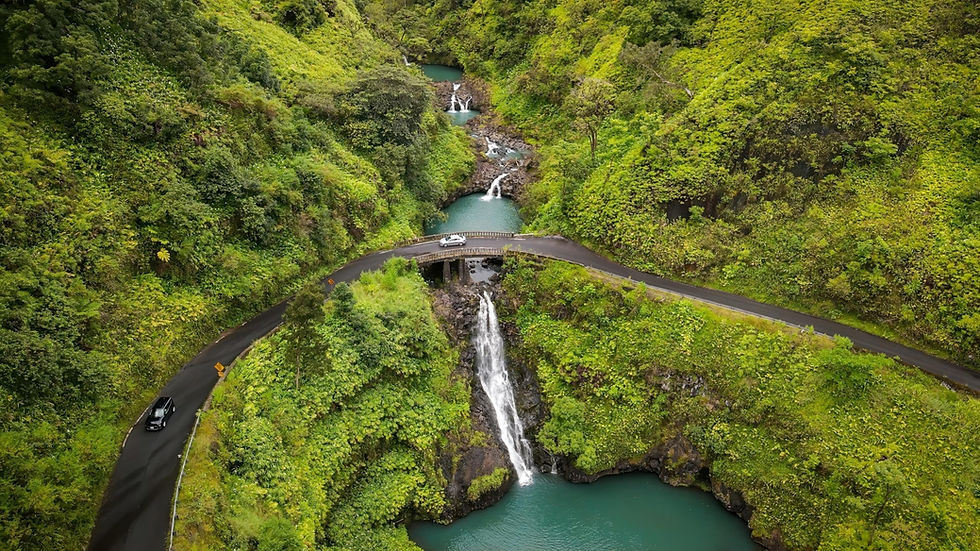
Explore: Haleakala National Park, the Road to Hana, Kaanapali, Wailea, Upcountry Maui, and Iao Valley.
Best for: Couples, honeymooners, families, nature lovers, and travelers seeking a balance of resort time and adventure.

Kauai — The Garden Isle
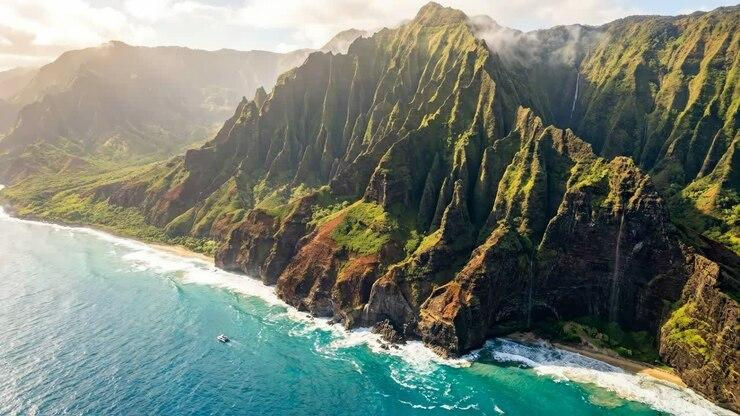
Kauai is celebrated for lush mountains, dramatic cliffs, tropical valleys, waterfalls, and natural beauty. It offers a quieter atmosphere and a strong connection to outdoor exploration.
Explore: Na Pali Coast, Waimea Canyon, Hanalei Bay, Wailua River, and Poipu Beach.
Best for: Nature lovers, hikers, photographers, adventure seekers, and couples seeking a scenic escape.

Hawaii Island — The Big Island
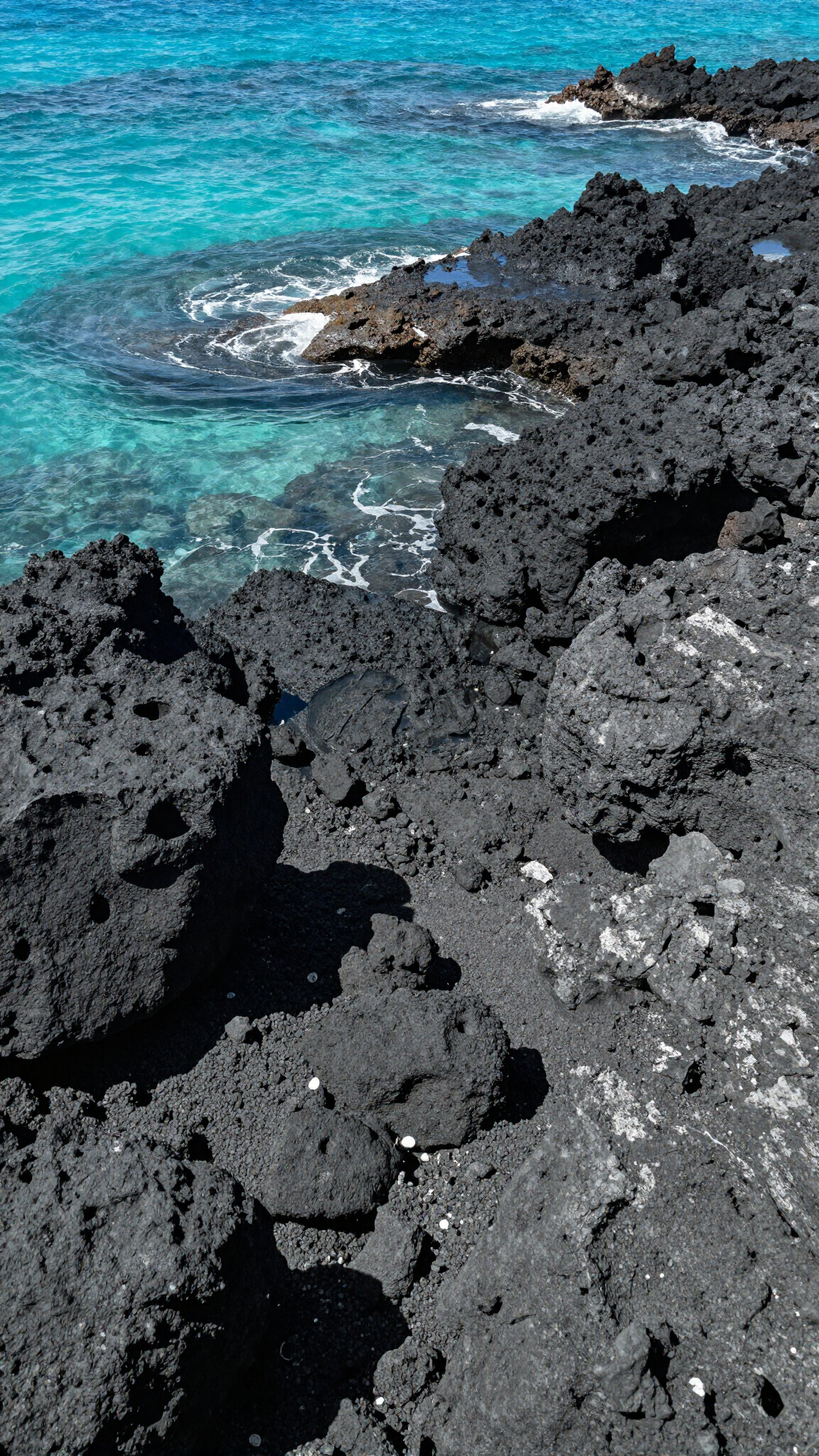
The largest Hawaiian island offers remarkable landscape diversity, from black-sand beaches and lava fields to waterfalls, coffee farms, rainforests, and high-elevation volcanic environments.
Explore: Hawaii Volcanoes National Park, Kailua-Kona, Hilo, Mauna Kea, Punaluʻu Black Sand Beach, and the Kohala Coast.
Best for: Adventure travelers, nature enthusiasts, volcano experiences, stargazing, and extended exploration.

Molokai — The Friendly Isle
Molokai is known for its rural atmosphere, open landscapes, cultural traditions, and quieter pace. It offers a less developed visitor experience than the more heavily visited islands.
Explore: Papohaku Beach, Halawa Valley, Kaunakakai, and scenic coastal viewpoints.
Best for: Independent travelers, cultural learning, peaceful retreats, and visitors seeking a less commercialized experience.

Lanai — The Pineapple Isle
Lanai combines peaceful coastal scenery, rugged interior landscapes, small-town charm, and upscale resort experiences. It is an appealing choice for travelers looking for privacy and a slower pace.
Explore: Hulopoe Bay, Puu Pehe (Sweetheart Rock), Lanai City, Garden of the Gods, and the Munro Trail.
Best for: Couples, luxury travelers, quiet escapes, and visitors interested in off-the-beaten-path experiences.
Discover the Hawaiian Islands
Hawaii has six major visitor islands: Oahu, Maui, Kauai, Hawaii Island, Molokai, and Lanai. Each offers a distinct experience.
Planning note: The smaller islands of Molokai and Lanai have fewer visitor services and transportation options. Confirm accommodations, transportation, and activity availability before finalizing travel plans.
Oahu Experiences
Maui Experiences
Things to do in Hawaii
Hawaii offers an incredible variety of experiences. You can spend your days relaxing on the beach, exploring volcanic landscapes, enjoying cultural activities, discovering waterfalls, or taking in some of the most beautiful scenery in the Pacific.
The experiences below are organized by island so travelers can begin exploring what interests them most.

Hike Diamond Head
Explore one of Oahu's most recognizable volcanic landmarks. The summit provides panoramic views of Honolulu and the coastline. Reservations are required for non-residents, and the trail includes uneven surfaces and stairs.

Visit Pearl Harbor
Learn about the events of December 7, 1941, through historic memorials and exhibits. Allow time for security procedures and check current visitor requirements before arriving.
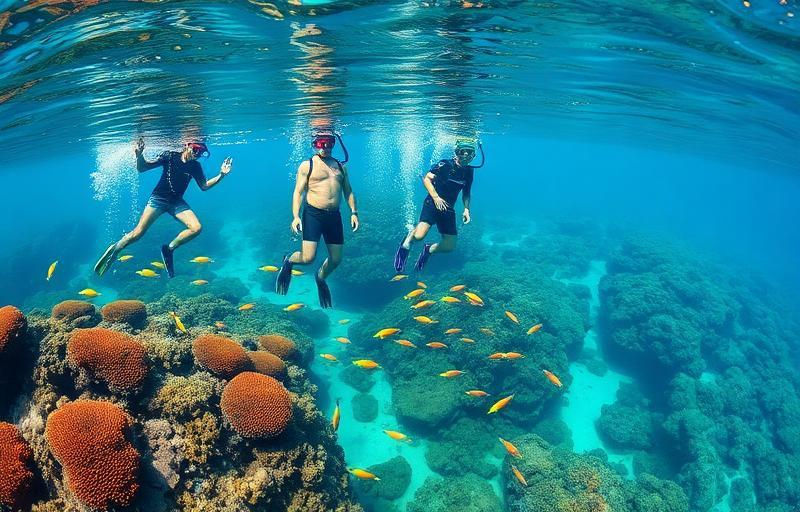
Discover Hanauma Bay
A well-known marine conservation area offering opportunities to experience Hawaii's underwater environment. Reservations and visitor education requirements apply; swimming and snorkeling are subject to ocean conditions.

Experience the North Shore
Visit legendary surf communities, explore local shops, and watch experienced surfers when seasonal conditions bring large winter waves. Enjoy the coastline from designated safe viewing areas.

Explore Polynesian culture
Discover cultural demonstrations, performances, traditional crafts, and educational experiences. Choose experiences that are respectful and guided by cultural practitioners.

Watch sunrise at Haleakala
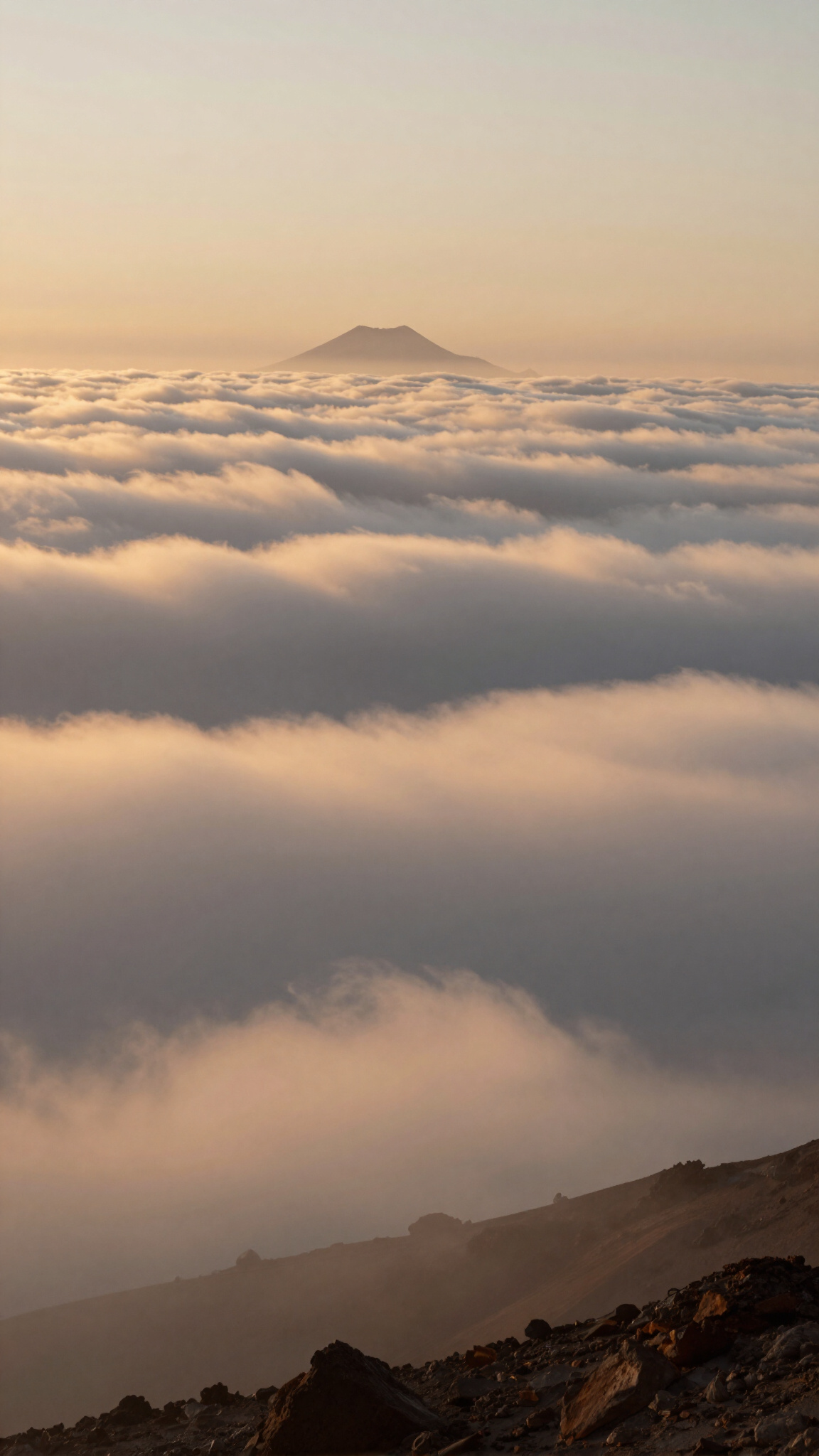
Experience the dramatic landscape above the clouds at Haleakala National Park. Sunrise viewing at the summit requires an advance reservation for vehicles, and temperatures can be very cold at elevation.

Travel the Road to Hana
Explore waterfalls, coastal viewpoints, lush vegetation, and small communities along one of Hawaii's most scenic drives. Allow a full day, drive carefully, and respect private property and local residents.
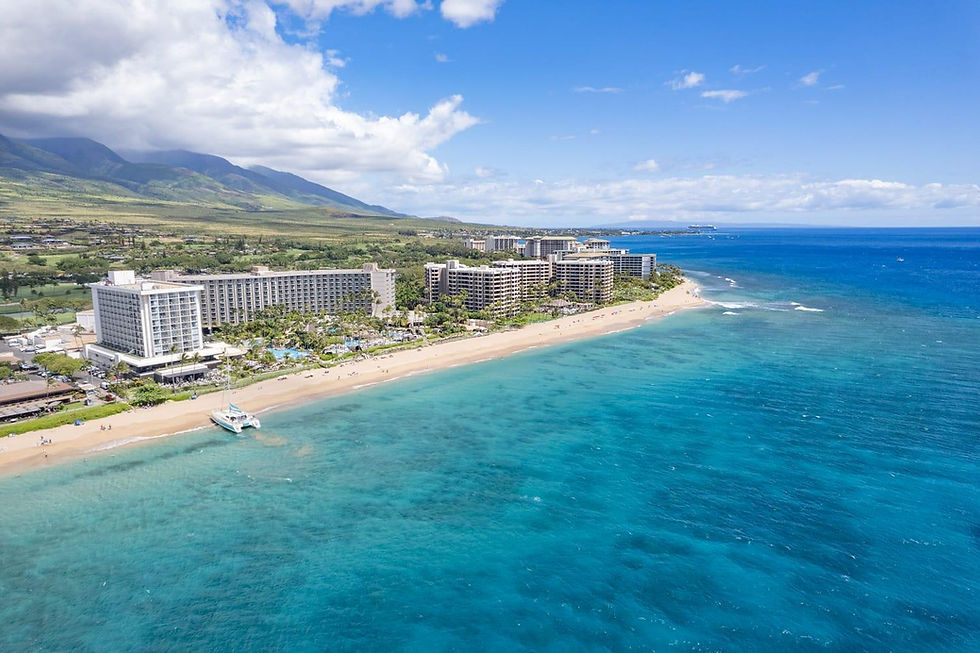
Relax along Kaanapali Beach
Enjoy a beautiful stretch of West Maui coastline with opportunities for beach time, dining, and water activities. Check local ocean conditions before entering the water.
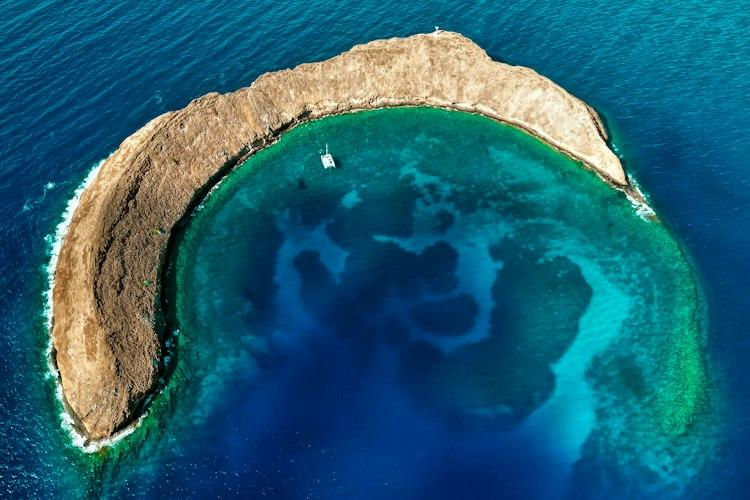
Take a Molokini snorkeling excursion
Visit the partially submerged volcanic crater off Maui's coast with a qualified boat operator. Trips are weather-dependent and should be selected based on swimming ability and current ocean conditions.

Explore Upcountry Maui
Visit agricultural communities, farms, scenic countryside, and local markets. This is a lovely way to experience a different side of the island beyond the beaches.
Respectful travel reminder
Lahaina is a community continuing its recovery after the devastating 2023 wildfires. Visitors should respect restricted areas, posted signs, and community requests. Do not treat fire-impacted sites as sightseeing attractions. Supporting local businesses and following community-led visitor guidance are meaningful ways to visit Maui respectfully.
Kauai Experiences

See the Na Pali Coast
Take in the dramatic cliffs and emerald valleys by boat, helicopter, or permitted hiking routes. Weather and ocean conditions can affect access and tours.

Visit Waimea Canyon
Often called the Grand Canyon of the Pacific, this spectacular landscape offers viewpoints, hiking opportunities, and striking scenery.

Spend Time at Hanalei Bay
Enjoy a beautiful crescent-shaped bay surrounded by green mountains. Beach activities depend on seasonal surf and local safety conditions.

Explore the Wailua River
Consider a guided kayaking or boat excursion through lush scenery, with opportunities to visit nearby natural attractions.
Hawaii Island Experiences

Discover Hawaii Volcanoes National Park
Explore volcanic landscapes, craters, lava formations, and scenic drives. Volcanic activity changes over time, so check current park alerts and air-quality guidance before visiting.

Visit a black-sand beach
See the striking volcanic sand at Punaluʻu Black Sand Beach. Hawaiian green sea turtles may be present; observe them from a respectful distance and never touch or disturb wildlife.

Explore Akaka Falls
Take in a beautiful waterfall surrounded by lush tropical vegetation. Check park access, trail conditions, and operating hours before visiting.

Visit a Kona coffee farm
Learn about coffee cultivation and sample locally grown coffee. Farm visits can provide an interesting look at the island's agricultural heritage.

Experience the night sky
The high elevations of Mauna Kea are known for exceptional stargazing. Summit travel requires careful planning because of altitude, cold conditions, road requirements, and health considerations. Guided experiences are worth considering.
Molokai Experiences

Visit Papohaku Beach
Enjoy one of Hawaii's expansive sandy beaches, known for its open scenery and quieter atmosphere. Swimming conditions can be hazardous, so check local warnings.

Discover Halawa Valley
Experience lush landscapes and learn about the valley's history and cultural significance through locally guided experiences. Respect access arrangements and community guidance.
Lanai experiences

Relax at Hulopoe Bay
Enjoy beautiful coastal scenery and a protected marine-life conservation district. Check ocean conditions before swimming or snorkeling.

Explore the Garden of the Gods
Discover an unusual landscape of red rock formations and open terrain. Access can require a suitable vehicle, and visitors should remain on established routes.

See Puu Pehe (Sweetheart Rock)
Enjoy one of Lanai's recognizable coastal landmarks from designated viewpoints. Stay on safe paths and respect protected areas.
More experiences to consider
- Traditional Hawaiian cultural demonstrations and lei-making.
- Luau celebrations and Hawaiian music.
- Whale-watching excursions during the seasonal migration period.
- Helicopter sightseeing tours.
- Golf courses with spectacular ocean and mountain views.
- Surf lessons with qualified instructors.
- Farm tours, local markets, and regional food experiences.
- Couples' spa days and luxury resort experiences.
- Hiking and guided nature excursions.
- Snorkeling and boat tours with responsible operators.
Important activity-planning note: Hawaii's ocean is beautiful but powerful. Conditions vary by beach, season, and even time of day. Choose lifeguarded beaches where available, ask lifeguards about conditions, swim with a buddy, and never enter water that looks unsafe. Snorkeling should only be attempted by people with appropriate swimming ability and awareness of ocean hazards.
Planning note: Allow at least three to four nights per island to enjoy each destination without feeling rushed.
Combining the Islands
Many travelers choose to visit more than one island. Short inter-island flights connect the major islands, making it easy to pair different landscapes and experiences in a single trip.

Oahu & Maui — City Meets Valley
Pair Oahu's history, dining, and Waikiki energy with Maui's scenic drives, resort areas, and Haleakala sunrises.
Best for: First-time visitors and couples seeking variety.
Maui & Hawaii Island — Resorts & Volcanoes
Combine Maui's beaches and Upcountry charm with the lava fields, waterfalls, and stargazing of Hawaii Island.
Best for: Nature lovers and adventure-minded travelers.
Kauai & Oahu — Garden Isle Escape
Begin with Oahu's landmarks and culture, then unwind among Kauai's cliffs, canyons, and quiet beaches.
Best for: Honeymooners, hikers, and photographers.
Best Time to Visit Hawaii
One of Hawaii's greatest advantages is that it can be enjoyed throughout the year. Temperatures remain relatively mild, but rainfall, ocean conditions, visitor demand, and seasonal activities vary.
Hawaii generally has two seasons:
- Summer (kau): May through October.
- Winter (hoʻoilo): November through April.
Average daytime temperatures at sea level are approximately 85°F during summer and 78°F during winter. Local conditions can vary considerably depending on island, elevation, and which side of the island you're visiting.
Seasonal Weather Guide

May–October
Generally warmer and drier
Summer typically brings warmer temperatures, more sunshine, and less rainfall in many locations. It is a popular time for beach vacations, swimming, outdoor exploration, and family travel.
Trade winds can provide some relief from the heat, although wind exposure varies by location.
Consider this period if: You want warm beach weather, outdoor adventures, and generally drier conditions.

November–April
Cooler, with more rainfall in many areas
Winter brings slightly cooler temperatures and more frequent rainstorms, particularly on windward and mountainous areas. Sunny conditions are still common in many leeward resort areas.
This is also the season when large winter surf reaches some north-facing shores, particularly on Oahu and other islands.
Consider this period if: You enjoy cooler weather, lush scenery, winter whale-watching opportunities, and seasonal surf experiences.
Quick Guide: When Should You Go?
Travel priority
Months to consider
Generally warmer, drier conditions
May–October
Cooler temperatures and winter scenery
November–April
Whale-watching opportunities
Generally December–April
Large winter surf viewing
Generally November–February
Family summer vacations
June–August
Potentially fewer visitors
May, September–early December, depending on holidays
A helpful distinction: Hawaii does not have one uniform rainy season. Windward areas often receive more rain, while leeward areas tend to be sunnier and drier. A rainy forecast for one side of an island does not necessarily mean the entire island will be rainy.
Source: weather.gov +1
Weather Considerations by Island
Island
General weather considerations
Oahu
Windward areas tend to be wetter; Honolulu and Waikiki are generally drier.
Maui
Conditions vary between the coast, Upcountry, and the wetter Hana region.
Kauai
Known for lush landscapes and substantial rainfall in some mountain and northern areas.
Hawaii Island
Strong contrasts between wetter Hilo and drier Kona, plus cooler high elevations.
Molokai
Conditions vary between exposed coastal areas and higher terrain.
Lanai
Generally drier in many lowland areas, with cooler and wetter conditions at higher elevations.
Special Seasonal Experiences
Whale watching: Humpback whales migrate to Hawaiian waters during the winter months, generally December through April, with sightings often most common in the middle of the season. Maui is particularly well known for whale-watching excursions. Always choose responsible operators that follow wildlife-viewing regulations.
Winter surfing: Winter swells create impressive waves along some north-facing shores. These conditions are exciting to watch but can be dangerous for inexperienced swimmers.
Summer ocean conditions: Many north-facing beaches can be calmer during summer, although conditions still vary and must be checked locally.
Hurricane season: The Central Pacific hurricane season runs June 1 through November 30. Hawaii does not frequently experience direct hurricane impacts, but tropical storms and severe weather can still affect travel. Monitor official advisories during your trip.

What is the weather like in Hawaii?
Hawaii's tropical location keeps temperatures fairly consistent throughout the year, but its mountains and varied terrain create numerous microclimates.
A traveler can experience sunshine on a beach, rain in a tropical valley, and cool mountain air during the same day.
What travelers should expect
Temperature: Generally warm at sea level, with average daytime temperatures around 75–85°F depending on season.
Rainfall: Varies dramatically by location. Windward slopes and mountain areas tend to receive more rain.
Humidity: Can be noticeable in tropical valleys and during warmer months.
Trade winds: Common breezes can make coastal conditions more comfortable, but winds may be strong in exposed areas.
Sun exposure: UV exposure can be strong year-round, including at higher elevations.
Ocean conditions: Surf, currents, and swimming conditions change with the seasons and the location of each beach.
Mountain temperatures: Higher elevations can be significantly colder than coastal areas, with snow possible on the highest peaks.
Understanding windward and leeward weather
This is particularly important when planning a Hawaii vacation.
Windward
Windward areas generally face the prevailing trade winds and receive more clouds and rainfall. These areas often have lush vegetation, waterfalls, and tropical scenery.
Leeward
Leeward areas are sheltered from much of that incoming moisture and are generally sunnier and drier. Many popular resort areas are located on leeward coastlines.
For example, Kona on Hawaii Island is generally drier than Hilo, while the Hana region of Maui is much wetter than many of Maui's resort areas.
What should you pack?
- Lightweight, breathable clothing.
- Swimwear and beach cover-ups.
- Comfortable walking shoes and sandals.
- A light rain jacket or compact umbrella.
- Reef-conscious sun protection, sunglasses, and a hat.
- Insect repellent.
- A reusable water bottle.
- A light sweater or jacket for cooler evenings.
- Warmer layers if visiting high elevations.
- Hiking shoes for planned trails.
- Water-resistant protection for phones and valuables.
Packing tip: If you plan to visit Haleakala, Mauna Kea, or other high-elevation destinations, bring significantly warmer clothing than you would need at the beach.
Where to stay in Hawaii
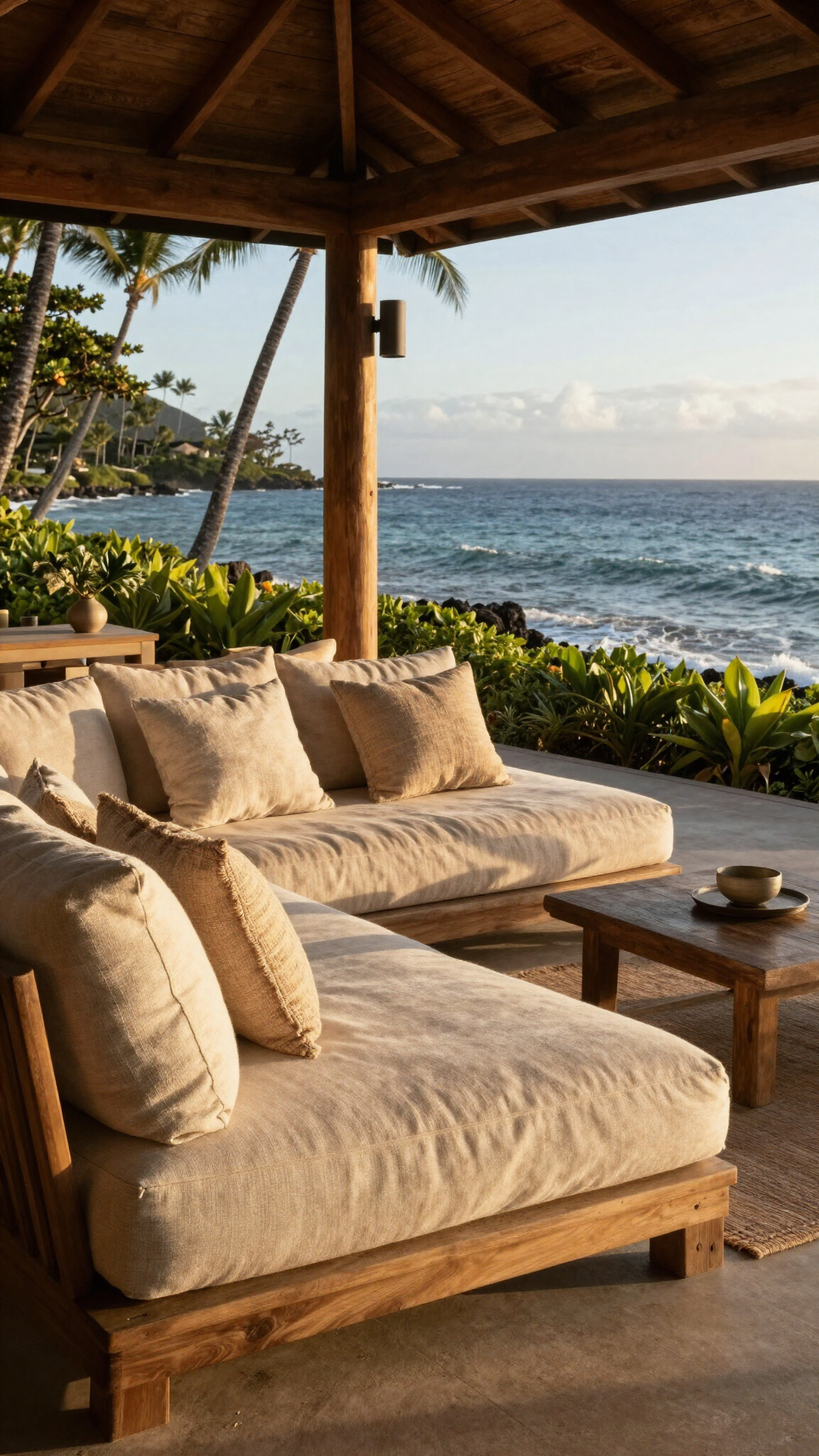
Hawaii offers everything from large beachfront resorts and luxury retreats to boutique hotels, vacation rentals, and private accommodations.
Your choice should reflect the island you want to visit, the type of vacation you envision, and how much exploring you plan to do.

Beachfront and full-service resorts
Popular in areas such as Waikiki, Kaanapali, Wailea, and the Kohala Coast. These properties may offer restaurants, pools, spas, beach access, and organized activities.
Ideal for: Couples, families, first-time visitors, and travelers seeking convenience.

Boutique hotels and smaller properties
Smaller accommodations can provide a more intimate atmosphere and a different perspective on island life.
Ideal for: Couples, independent travelers, and quieter getaways.

Vacation rentals and private villas
These accommodations may provide additional space, kitchens, and privacy. They can be useful for extended stays and families.
Ideal for: Families, groups, and longer vacations.

Secluded and luxury retreats
Some properties focus on privacy, wellness, upscale service, and access to quieter natural surroundings.
Ideal for: Anniversaries, honeymoons, special celebrations, and luxury escapes.
Choosing the right area
- Oahu: Waikiki for convenience and activity; North Shore for surf culture and a slower coastal atmosphere.
- Maui: Wailea for upscale resort experiences; Kaanapali for beachfront stays; other regions for scenic exploration.
- Kauai: Poipu for a sunnier south-shore resort experience; Princeville and Hanalei for lush northern scenery.
- Hawaii Island: Kona and the Kohala Coast for drier resort areas; Hilo for waterfalls, gardens, and access to the island's eastern side.
- Molokai: Smaller local accommodations and limited visitor infrastructure.
- Lanai: Upscale resort accommodations and quieter island experiences.
Important accommodation considerations
Hawaii has regulations governing vacation rentals, and rules vary by county and property type. Before reserving a rental, confirm that it is legally permitted to operate.
Also compare the full accommodation cost, including taxes, resort fees, parking, cleaning fees, and other charges.
Hawaiian Food and Local Culture
Hawaii's food and culture reflect a long history of Native Hawaiian traditions, immigration, and cultural exchange. The islands are home to a rich mix of culinary influences, local ingredients, traditional practices, music, and community celebrations.
Foods to Try

Poke
A popular Hawaiian dish featuring seasoned raw fish, often ahi tuna, served with various toppings and accompaniments.

Kalua Pig
Traditionally cooked in an underground imu oven, this slow-cooked pork is associated with Hawaiian feasts and celebrations.

Loco Moco
A local comfort-food favorite typically made with rice, a hamburger patty, gravy, and a fried egg.

Plate Lunch
A familiar local meal often featuring rice, macaroni salad, and a main dish such as chicken, fish, or beef.

Poi
A traditional Hawaiian food made from cooked and pounded taro. It has deep cultural and historical significance.

Haupia
A traditional coconut-based dessert with a smooth, pudding-like texture.

Shave Ice
Finely shaved ice topped with flavored syrups and optional additions such as tropical fruit, condensed milk, or ice cream.
Cultural Experiences to Consider
- Attend a traditional Hawaiian cultural performance or luau.
- Learn about hula and Hawaiian music.
- Visit cultural centers and historic sites.
- Explore local farmers' markets and community festivals.
- Learn about traditional Hawaiian navigation and voyaging.
- Discover the history of the Hawaiian Kingdom.
- Participate in guided cultural experiences led by knowledgeable local practitioners.
A Few Hawaiian Words and Expressions
Hawaiian
Meaning
Aloha
Love, affection, greeting, farewell
Mahalo
Thank you
ʻOhana
Family
Mālama
To care for or protect
Mālama ʻāina
Care for the land
E komo mai
Welcome
Pono
Righteousness, balance, or doing what is right
Traveling with Cultural Respect
Hawaii is not simply a vacation backdrop. It is home to Native Hawaiian communities, cultural traditions, sacred places, and living history.
Visitors are encouraged to:
- Learn about the history and culture of the islands.
- Respect sacred and culturally significant places.
- Stay on marked trails and permitted access routes.
- Never remove rocks, sand, coral, or other natural materials.
- Avoid touching or disturbing wildlife.
- Ask permission before photographing people or private cultural activities.
- Support locally owned businesses and community-led experiences.
- Follow local guidance when visiting sensitive areas.
The concept of mālama ʻāina—caring for the land—is an important part of responsible travel in Hawaii.