
Sunshine, powder-soft beaches, desert landscapes, and a Caribbean spirit all its own.
Welcome to Aruba
Aruba is a beautiful island in the southern Caribbean, known for its brilliant turquoise waters, white-sand beaches, warm sunshine, and welcoming atmosphere. But there is much more to discover beyond its postcard-perfect coastline.
Unlike many lush tropical islands, Aruba has a distinctive dry, desert-like landscape filled with cacti, rugged rock formations, dramatic coastlines, and its famous wind-shaped divi-divi trees. Its blend of Caribbean warmth, Dutch heritage, and Latin influences creates a culture and atmosphere unlike anywhere else.
Whether you envision a peaceful beach escape, an adventurous exploration of the island's natural wonders, a romantic getaway, or a vacation filled with dining, shopping, and water activities, Aruba offers plenty of ways to make your stay memorable.
Welcome to One Happy Island—where sunshine meets adventure.
Discover Aruba's Regions and Popular Areas
Aruba is a relatively small island, but different areas offer noticeably different experiences. Understanding where to stay can help you choose the right atmosphere for your vacation.

Palm Beach — Resorts, dining, and nightlife
One of Aruba's most popular visitor areas, with high-rise resorts, beach activities, restaurants, shopping, and entertainment close together.
Best for: First-time visitors, couples, families, nightlife, and resort vacations.

Eagle Beach — Peaceful beachfront beauty
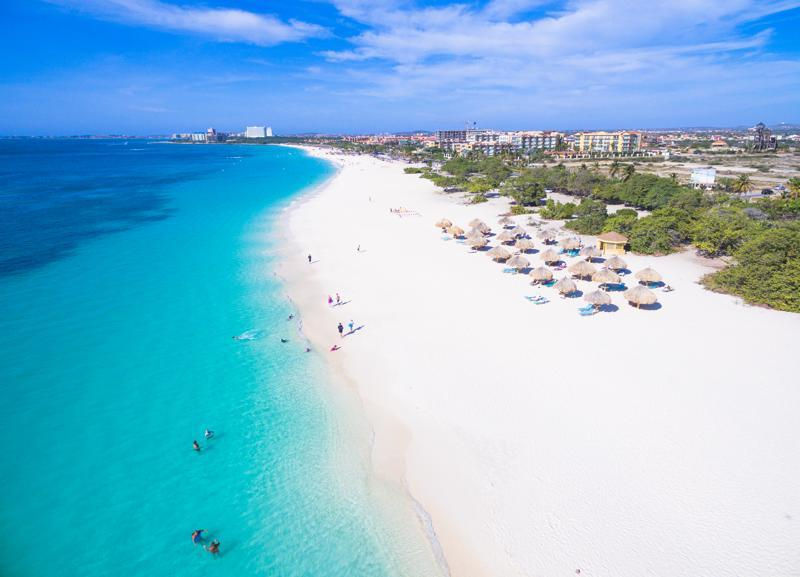
Famous for its expansive white sand, clear water, and iconic divi-divi trees. The area has a more relaxed feel than the busy resort strip.
Best for: Couples, beach lovers, relaxation, and scenic stays.

Oranjestad — Culture, shopping, and island history
Aruba's capital features colorful Dutch-Caribbean architecture, shops, restaurants, museums, and waterfront attractions.
Best for: Culture, shopping, local dining, and history.

San Nicolas — Art, heritage, and local character
Located in southern Aruba, San Nicolas is known for its colorful murals, creative community, and connection to the island's cultural history.
Best for: Art enthusiasts, cultural exploration, and travelers looking beyond the resort areas.

Noord — Scenic coastlines and resort access
Noord includes popular visitor areas near Palm Beach and the California Lighthouse, with access to beaches, restaurants, and scenic northern coastline.
Best for: Resort stays, sightseeing, couples, and convenient access to activities.

Arikok and the eastern coast — Aruba's wild side
This area showcases the island's rugged interior, cacti, rock formations, caves, natural scenery, and dramatic ocean views. Much of the area is protected within Arikok National Park.
Best for: Nature lovers, outdoor adventure, photography, and guided exploration.
Planning tip: Palm Beach and Eagle Beach are popular places to stay, while other parts of the island are worth exploring on day trips. Some rugged areas require suitable vehicles or guided excursions.
Things to do in Aruba
Aruba offers a wonderful mix of beach relaxation, water sports, nature, history, and cultural experiences. Visitors can spend the morning snorkeling, the afternoon exploring the desert-like interior, and the evening enjoying dinner by the water.

Spend the Day at Eagle Beach
Enjoy one of Aruba's best-known beaches, with soft white sand, beautiful water, and plenty of room to relax. Bring sun protection and check local swimming conditions.

Enjoy Water Sports
Try snorkeling, sailing, paddleboarding, parasailing, jet skiing, or windsurfing through reputable local operators. Conditions vary, especially when trade winds are strong.

Explore Arikok National Park
Discover rugged scenery, caves, cacti, geological formations, and the famous Natural Pool, also called Conchi. Access can be challenging and is dependent on sea and road conditions; guided tours or appropriate vehicles are recommended.

Snorkel or Dive the Antilla Shipwreck
Explore one of the Caribbean's well-known shipwreck dive sites. Choose a qualified operator and confirm whether your experience level and conditions are suitable.

Visit the California Lighthouse
Take in beautiful views of Aruba's northwestern coastline and surrounding landscape. It's especially appealing for scenic photographs and sunset outings.

Relax at Baby Beach
This southern beach is known for its shallow, sheltered bay and beautiful water. Check current water conditions and posted safety guidance before swimming or snorkeling.

Explore Oranjestad
Enjoy the colorful architecture, shops, local restaurants, waterfront, and cultural attractions. Consider a guided walking tour to learn more about the island's history.

Experience Renaissance Island
This private-island experience is known for its flamingos and beach setting. Access is controlled and may depend on resort arrangements or separately available day passes. Confirm current access rules before planning around it.

Take a Sunset Cruise
Enjoy the island from the water with a sailing or catamaran experience. Check the itinerary, inclusions, weather policy, and whether food and drinks are provided.
Discover Aruba's Art and Culture
Explore San Nicolas murals, local craft markets, museums, and cultural events. These experiences offer a different perspective on the island beyond its beaches.

- More experiences to consider: ATV or UTV guided island tours; horseback riding through scenic landscapes; golf and wellness experiences; family-friendly attractions and nature encounters; local food tours and Caribbean cooking experiences; romantic beachfront dinners; casino entertainment and nightlife; fishing charters and private boat excursions.
- Excursion planning tip: Aruba's eastern and northern coastlines can be rough and exposed to strong waves. Don't assume every beautiful-looking beach is safe for swimming. Follow signs, lifeguard instructions, and local advice.

Best Time to Visit Aruba
One of Aruba's biggest advantages is its remarkably consistent warm climate. Unlike many Caribbean destinations, Aruba is located south of the main hurricane belt, so direct hurricane impacts are rare. It can still experience effects from passing tropical systems, including stronger winds, rough seas, and rainfall.
Temperatures generally remain in the 80s°F (around 27–32°C) throughout the year. The island is usually dry, breezy, and sunny, although its rainy season brings more showers.
Seasonal weather guide
December–April
Popular dry-season travel
Generally sunny, warm, and relatively dry, with cooling trade winds. This is a popular period for beach vacations and outdoor activities. December through April also tends to bring higher visitor demand and accommodation prices.
Consider this period if: You want a classic sunny Caribbean escape, especially during the winter months.

May–August
Warm, sunny, and breezy
These months are generally hot and relatively dry, with strong trade winds that can be particularly noticeable. They can be appealing for beach time, sailing, windsurfing, and other outdoor activities. Crowds may ease compared with the winter peak.
Consider this period if: You enjoy warm weather, water sports, and a potentially less crowded vacation.

September–November
Quieter season, increased showers
These months are generally warmer and can feel more humid. Rainfall becomes more likely, particularly during October and November, although showers are often brief. This is also a quieter visitor period, which may offer opportunities to compare lower-season travel rates.
Consider this period if: You prefer fewer crowds, have flexible plans, and don't mind occasional rain.
The month groupings are general climate patterns, not guarantees of sunshine or rainfall on specific dates. Aruba's official tourism information identifies December–April as peak season and September–November as a quieter period.
Quick guide: When should you go?
Travel Priority
Popular dry-season getaway
Beach and outdoor activities
Windsurfing and sailing
Potentially fewer crowds
Quieter travel with flexible plans
Months to Consider
December–April
December–August
Generally January–August
May–June and September–November
September–November
A note about hurricanes: Aruba is outside the main hurricane belt, but it is not completely immune to tropical weather. Atlantic hurricane season officially runs June 1 through November 30. Even distant storms can influence wind and sea conditions around Aruba.
Climate & Travel Tips
What is the Weather Like in Aruba?
Aruba's climate is one of its defining characteristics. The island is warm throughout the year, with relatively little variation in average temperatures.
Unlike the lush, rainier environments of some Caribbean islands, Aruba has a semi-arid landscape. Its vegetation includes cacti, shrubs, and hardy trees adapted to dry conditions.
What Travelers Should Expect
- Temperature: Generally warm, with daytime temperatures often in the low to upper 80s°F.
- Rainfall: Relatively limited throughout much of the year, with a wetter period generally occurring October–January.
- Humidity: Can feel higher during wetter months.
- Trade winds: Regular easterly breezes help moderate the heat, although they can make the sea choppier.
- Sun exposure: Strong sunshine and UV exposure are common throughout the year.
- Ocean conditions: Sheltered western beaches are often calmer, while northern and eastern coastal areas can have stronger waves and currents.
Understanding Aruba's Trade Winds
The island's steady trade winds are part of what makes Aruba popular for windsurfing and kitesurfing. However, the same winds can affect beach conditions, boat excursions, and swimming.
Travelers should pay attention to posted beach warnings and local guidance, especially along exposed coastlines.
What Travelers Should Expect
- Lightweight, breathable clothing.
- Swimwear and beach cover-ups.
- Reef-conscious sun protection, sunglasses, and a wide-brimmed hat.
- Comfortable walking shoes and sandals.
- Water shoes for suitable rocky or water-based activities.
- A light rain jacket or compact umbrella.
- Insect repellent.
- A reusable water bottle.
- A secure beach bag and water-resistant phone pouch.
- A light layer for air-conditioned restaurants and indoor spaces.
For off-road excursions and Arikok National Park, wear closed-toe shoes and bring extra water. The island's sun and exposed terrain can make outdoor activities more demanding than expected.
Accommodations
Where to stay in Aruba
Aruba offers a variety of accommodations, from large beachfront resorts to boutique hotels, private villas, and vacation rentals.
The right choice depends on your preferred atmosphere, location, budget, and the experiences you want to enjoy.

Beachfront and high-rise resorts
Popular around Palm Beach, these properties offer convenient beach access, restaurants, pools, water activities, and nearby nightlife.
Ideal for: Couples, families, first-time visitors, and travelers who enjoy resort amenities.
Low-rise and boutique hotels
Often provide a more intimate atmosphere and access to quieter stretches of beach and surrounding neighborhoods.
Ideal for: Couples, relaxation, and travelers seeking a quieter stay.


Private villas and vacation rentals
Offer additional space, privacy, and sometimes kitchens or private pools. They can work well for families and groups.
Ideal for: Families, extended stays, and group travel.
Smaller local accommodations
May provide a more independent experience and opportunities to explore the island beyond the main resort areas.
Ideal for: Independent travelers, cultural exploration, and flexible itineraries.

All-inclusive or European plan?
- Aruba has both all-inclusive resorts and properties where meals and drinks are purchased separately.
- All-inclusive stays may be convenient for travelers who want meals, drinks, and some activities bundled into one price.
- European-plan stays can offer more flexibility to explore local restaurants and dining experiences around the island.
When comparing properties, review exactly what is included: premium beverages, specialty dining, excursions, airport transfers, gratuities, and resort fees may be handled differently.
Food and local culture
Aruba's culture reflects a blend of Caribbean, Dutch, Latin American, and other international influences. Visitors can experience that blend through its languages, architecture, music, festivals, and especially its food.
Local dishes and flavors to try

Keshi Yena
A traditional Aruban dish made with cheese stuffed with seasoned meat and other ingredients.

Pastechi
A popular fried pastry filled with ingredients such as cheese, meat, or seafood.

Fresh seafood
Enjoy locally prepared fish, shrimp, and other seafood dishes at restaurants around the island.

Funchi
A traditional cornmeal side dish commonly served with stews, meat, and seafood.

Pan Bati
A soft, slightly sweet cornmeal flatbread often served alongside savory meals.
Languages and local traditions
Aruba's official languages are Dutch and Papiamento. English and Spanish are also widely spoken.
Papiamento is an important part of local identity and reflects the island's multicultural history.
Travelers can also experience:
Carnival celebrations and colorful parades.
Local music, dance, and cultural performances.
Traditional markets and artisan crafts.
Historic buildings and museums.
Local festivals and community events.
A few useful expressions
Papiamento
English
Bon dia
Good morning
Bon tardi
Good afternoon
Bon nochi
Good evening
Danki
Thank you
Por fabor
Please
Con ta bai?
How are you?
Learning a few local expressions is a lovely way to connect with the destination and show appreciation for its culture.
Transportation
Getting Around Aruba
Aruba is a relatively small island, making it possible to explore several areas during one vacation. Your transportation choice will depend on where you're staying and how much independent sightseeing you plan to do.
01
Airport transfers
Arrange transportation from Queen Beatrix International Airport in advance. Confirm whether your hotel provides transfers or whether a private or shared service is more appropriate.
02
Taxis
Taxis are a convenient option for getting between resorts, restaurants, beaches, and popular attractions. Confirm fares and payment arrangements before beginning the journey.
03
Rental cars
A rental car provides flexibility, especially if you want to visit Arikok National Park, San Nicolas, Baby Beach, or other areas away from the main resort strip. Check rental requirements, insurance, parking, and road conditions.
04
Public buses
Aruba's Arubus service connects major areas, including Oranjestad, hotel districts, and other destinations. Routes and schedules should be checked before relying on public transportation for a time-sensitive activity.
05
Guided excursions
Guided tours can be particularly helpful for off-road sightseeing, natural attractions, and areas with challenging terrain.
Important driving considerations
Traffic moves on the right-hand side of the road.
Follow local speed limits and road signs.
Some roads outside developed areas may be rough or unpaved.
Certain off-road areas require an appropriate vehicle or guided tour.
Never drive through flooded areas or ignore road closures.
Entry requirements and travel documents
Entry requirements depend on your nationality, travel history, purpose of visit, and itinerary. The following is general information for U.S. leisure travelers.
U.S. citizens generally do not need a tourist visa for a short visit to Aruba, but a valid passport is required. Travelers must also meet Aruba's entry conditions, including the required return or onward travel arrangements.
Before you travel
-
Check that your passport is valid for your intended stay.
-
Confirm whether you need a visa based on your nationality.
-
Complete the required Aruba Online Embarkation-Disembarkation Card (ED Card) within the permitted pre-travel window.
-
Review any applicable sustainability fee and payment instructions.
-
Have your return or onward ticket available.
-
Be prepared to provide accommodation information and evidence of sufficient funds if requested.
-
Check requirements for children traveling with one parent or another accompanying adult.
-
Review any transit-country requirements if connecting through another country.
The ED Card is an official entry requirement. Aruba's current tourism guidance states it should be completed within seven days before travel. Use the official government platform rather than third-party sites charging unnecessary fees.
Official entry resources
Important: Entry rules and fees can change. Verify the requirements again close to your departure date. The official Aruba entry page specifically advises visitors to check for updated requirements and sustainability-fee information.
Money Matters
Currency, Payments, and Budgeting
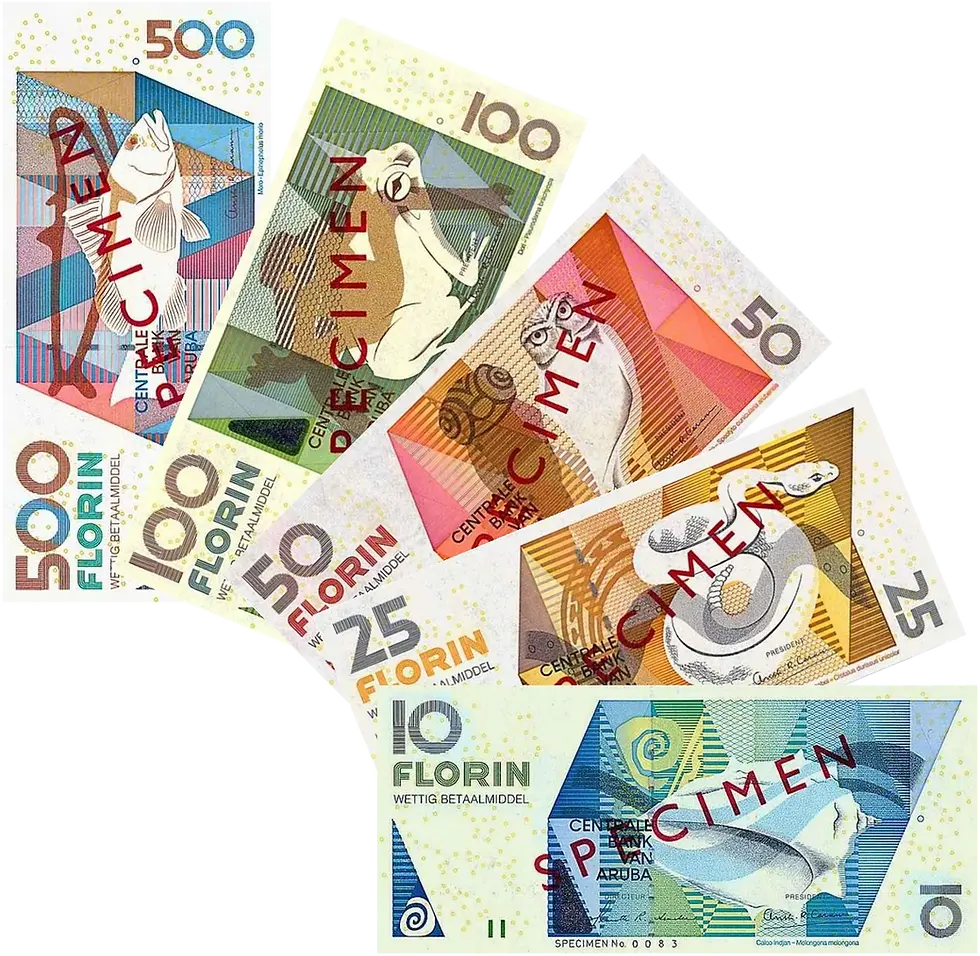
Aruba's official currency is the Aruban florin (AWG), but U.S. dollars are widely accepted throughout the island.
Major credit cards are commonly accepted, and ATMs are available in developed areas.
Before Leaving Home
-
Notify your bank or review its international card policies.
-
Check foreign transaction fees and ATM charges.
-
Carry a backup payment method.
-
Keep some cash available for small purchases and incidental expenses.
-
Confirm whether your hotel accepts your preferred payment method.
-
Check whether taxis, tours, and smaller businesses accept cards.
What should you include in your vacation budget?
-
Flights and accommodation.
-
Airport transfers or rental vehicles.
-
Meals and drinks outside any included package.
-
Excursions and water activities.
-
National park or attraction fees.
-
Shopping and souvenirs.
-
Tips and incidental expenses.
-
Travel insurance.
Aruba can accommodate different budgets, but beachfront accommodations and peak-season travel may come at a premium. Comparing the full cost of the trip is more useful than looking at hotel rates alone.

Health, Safety, and Travel Insurance
Aruba is generally considered a safe destination for visitors, but travelers should still take sensible precautions.
The U.S. Department of State currently lists Aruba at Level 1: Exercise Normal Precautions. It identifies petty theft, particularly in tourist areas and places where belongings are left unattended, as a concern.
Before Departure
-
Review current health recommendations for Aruba.
-
Pack prescription medications in their original containers.
-
Bring insect repellent and sun protection.
-
Stay hydrated, particularly during outdoor activities.
-
Check whether your health insurance covers medical treatment outside the United States.
-
Review travel insurance coverage for medical care and evacuation.
-
Confirm that planned activities are covered by your insurance policy.
Everyday Safety Considerations
-
Do not leave phones, wallets, or other valuables unattended on beaches.
-
Secure belongings inside rental vehicles.
-
Use reputable transportation providers.
-
Follow posted warnings at beaches and natural attractions.
-
Avoid swimming in rough or exposed coastal areas.
-
Be cautious around remote locations, especially after dark.
-
Keep copies of important travel documents in a secure location.
Health and Medical Preparation
Medical care is available in Aruba, but treatment can be expensive for international visitors. Some providers may require payment or proof of insurance before providing non-emergency services.
The U.S. Department of State recommends that travelers consider insurance that includes medical evacuation coverage.
Travel Insurance Matters
A suitable policy may include:
-
Emergency medical expenses.
-
Medical evacuation.
-
Trip cancellation and interruption for covered reasons.
-
Travel delays.
-
Lost or delayed baggage.
-
Coverage for eligible adventure activities.
Read the policy carefully, especially exclusions and weather-related coverage.
Before You Go · Aruba
Connectivity, Electricity, and Practical Essentials
The small details that keep your island days effortless — from staying connected to staying safe under the Caribbean sun.
Mobile service and internet
Check with your carrier about international roaming or compare eSIM options. Confirm coverage for your device and the places you plan to visit. Most resorts, restaurants, and cafés also offer complimentary Wi‑Fi.
Electricity
Aruba generally uses 127V electricity and Type A/B and some Type F outlets. Travelers from the United States will usually find familiar plug types, but should check device voltage compatibility. Travelers from other countries may need an adapter or converter.
Time zone
Aruba observes Atlantic Standard Time (UTC−4) year-round and does not observe daylight saving time. The time difference from the United States changes seasonally.
Drinking water
Aruba's tap water is treated and generally considered safe to drink. Much of it is produced by desalinating seawater. A reusable water bottle is a practical item to pack.
Sun exposure
Aruba's sunshine and trade winds can make it easy to underestimate how much sun you're receiving. Reapply sunscreen, seek shade, and drink water regularly.
Accessibility
Accessibility varies between hotels, beaches, transportation providers, and excursions. Confirm step-free access, accessible bathrooms, mobility equipment, and transfer arrangements directly with providers.
Emergency contacts
Save the local emergency numbers before departure. Aruba's official travel guidance lists 911 for ambulance, fire, and coast guard emergencies, and 100 for police.
Aruba Travel Essentials
What to pack for Aruba
Aruba's warm, dry, and breezy climate calls for lightweight clothing, good sun protection, and comfortable footwear. With year-round temperatures around 28–32°C (82–90°F) and constant trade winds, packing light and smart is the way to go.
Passport and required travel documents.
ED Card confirmation.
Flight, hotel, and transportation confirmations.
Travel insurance information.
Lightweight daytime clothing.
Swimwear and beach cover-ups.
Comfortable walking shoes and sandals.
Closed-toe shoes for rugged excursions.
Sun protection, sunglasses, and a hat.
Insect repellent.
Reusable water bottle.
Water-resistant phone pouch.
Prescription medications and personal supplies.
Phone charger and power bank.
Payment cards and backup cash.
A light layer for indoor air conditioning.
Any activity-specific gear recommended by your excursion provider.
Packing tip: Don't underestimate the sun or wind. Even when temperatures feel comfortable, sun exposure can be intense. A secure hat, sunglasses, and dependable sunscreen are vacation essentials. Choose reef-safe sunscreen to help protect Aruba's marine life.

How long should you stay?
Aruba's manageable size makes it possible to experience a variety of attractions without constantly changing accommodations.
These are suggestions rather than rules. Your ideal length depends on your budget, travel dates, and how much exploring you want to do.
3–4 nights
A short getaway focused on the beach, resort amenities, dining, and perhaps one excursion.
5–7 nights
A balanced vacation with beach time, sightseeing, water activities, and cultural experiences.
8–10 nights
More time to explore the island at a relaxed pace, enjoy multiple excursions, and experience different areas.
10 nights or longer
Ideal for travelers who want a slower vacation, extended relaxation, or a more extensive combination of beach, nature, and culture.
Aruba Travel Planning Checklist
Before departure, make sure you have:
Selected the accommodation area that matches your vacation style.
Compared resorts, hotels, and other accommodations.
Checked passport and entry requirements.
Completed the official ED Card within the required timeframe.
Reviewed the latest travel advisory and health guidance.
Checked weather patterns and the forecast closer to departure.
Arranged airport transportation.
Planned any important excursions.
Checked water and weather conditions for outdoor activities.
Confirmed travel insurance coverage.
Prepared payment methods and mobile connectivity.
Packed appropriate clothing, footwear, and sun protection.
Saved emergency contacts and important travel documents.
Helpful Official Travel Resources
These resources help travelers verify important information before booking and departure.
Aruba Tourism Authority
Official destination information, attractions, accommodations, events, and travel inspiration.
Centers for Disease Control and Prevention
Destination-specific health information and travel health recommendations.
Aruba Travel Requirements
Entry requirements, ED Card information, and pre-travel guidance.
National Hurricane Center
Official tropical weather information and storm monitoring.
U.S. Department of State
Current travel advisory, entry guidance, local laws, and safety information.
Arikok National Park
Information about Aruba's protected natural landscape and visitor experiences.
Let's Plan Your Aruba Getaway
Your Aruba escape should be as unique as you are.
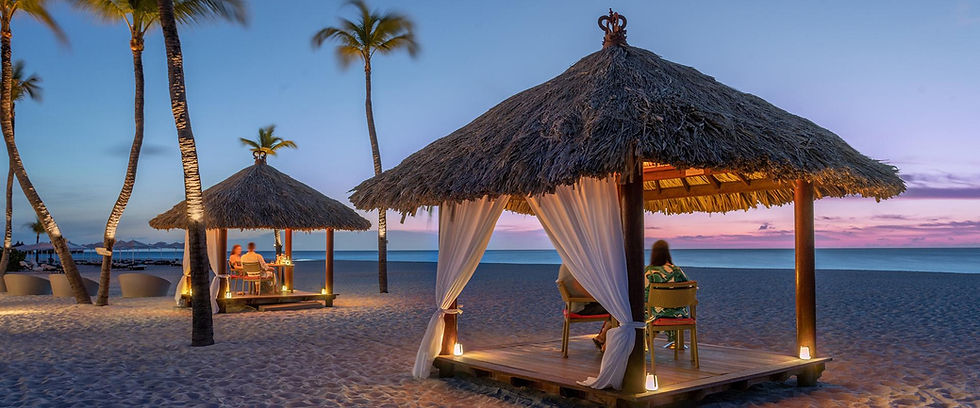
Whether you're dreaming of a romantic beachfront retreat, an all-inclusive vacation, a family getaway, a celebration with friends, or an island adventure filled with snorkeling and sightseeing, Pearl Horizons Travel can help you explore the possibilities.
We'll help you consider the right travel dates, accommodations, experiences, and details to make your vacation memorable.
Ready for One Happy Island?
Let's start planning your Aruba getaway!
Ready for One Happy Island?
Let's start planning your Aruba getaway!